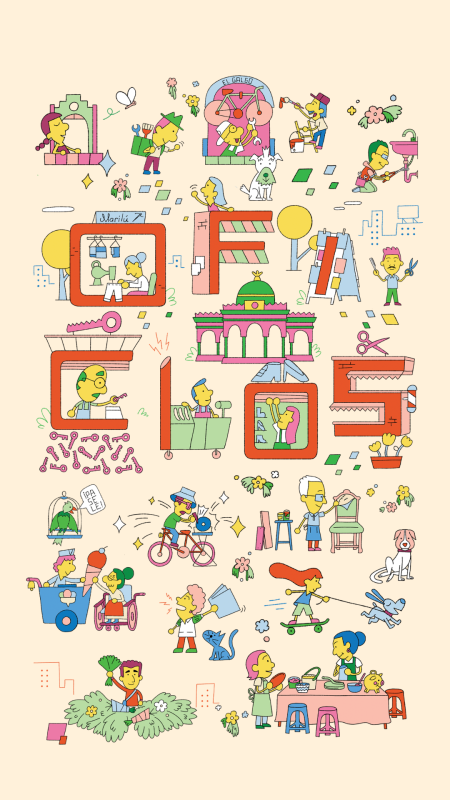
The Invisible Gears That Keep the World Moving from Santa María la Ribera
By the Editorial Team
In Santa María la Ribera, traditional trades tell stories of knowledge, self-reliance, and collaboration that sustain everyday life. To help ensure these skills continue to be passed down from one generation to the next, Casa Gallina is launching a crowdfunding campaign with a goal of raising $100,000 MXN. The funds will support the continuation of a community program dedicated to recognizing the neighborhood’s trades and creating opportunities for children and young people to learn from the people who practice them.
Join us! Donate here
The Trades That Connect the Neighborhood to the World
On a corner of Cedro Street, the sound of a 1940s lathe breaks through the morning hum of the city. Armando Orihuela and Roberto Tobalín carefully adjust a piece of machinery. It may seem like an everyday task, but the precision of their hands helps keep various production lines running.
“The lathe makes the world go round. The metalworking industry that manufactures cars, ships, or airplanes—all of it goes through a lathe. The planet would be nothing without the lathe,” says Tobalín, who has worked as a machinist and lathe operator since he was 14.
At the workshop where he works alongside Orihuela, a family business founded in 1927, they manufacture and repair components for the candy and chocolate industries, whose products are exported to the United States, Central America, and South America. They also produce parts for the plastics and salt-milling industries.
This connection between the local and the global is part of what makes Santa María la Ribera so rich. Yet the technical and practical knowledge found throughout the neighborhood does not always receive the recognition it deserves, and passing it on to younger generations has become increasingly difficult.
The Knowledge and Skills That Make Everyday Life Possible
Throughout the streets of Santa María la Ribera, traditional trades also contribute to maintaining homes, making responsible use of resources, and fostering connections among neighbors.
Aarón Velásquez has worked as a plumber for several decades. For him, his work goes beyond fixing leaks: it also means taking care of the infrastructure that ensures access to water. “Everything revolves around the maintenance and cleaning of our water storage systems,” he explains.
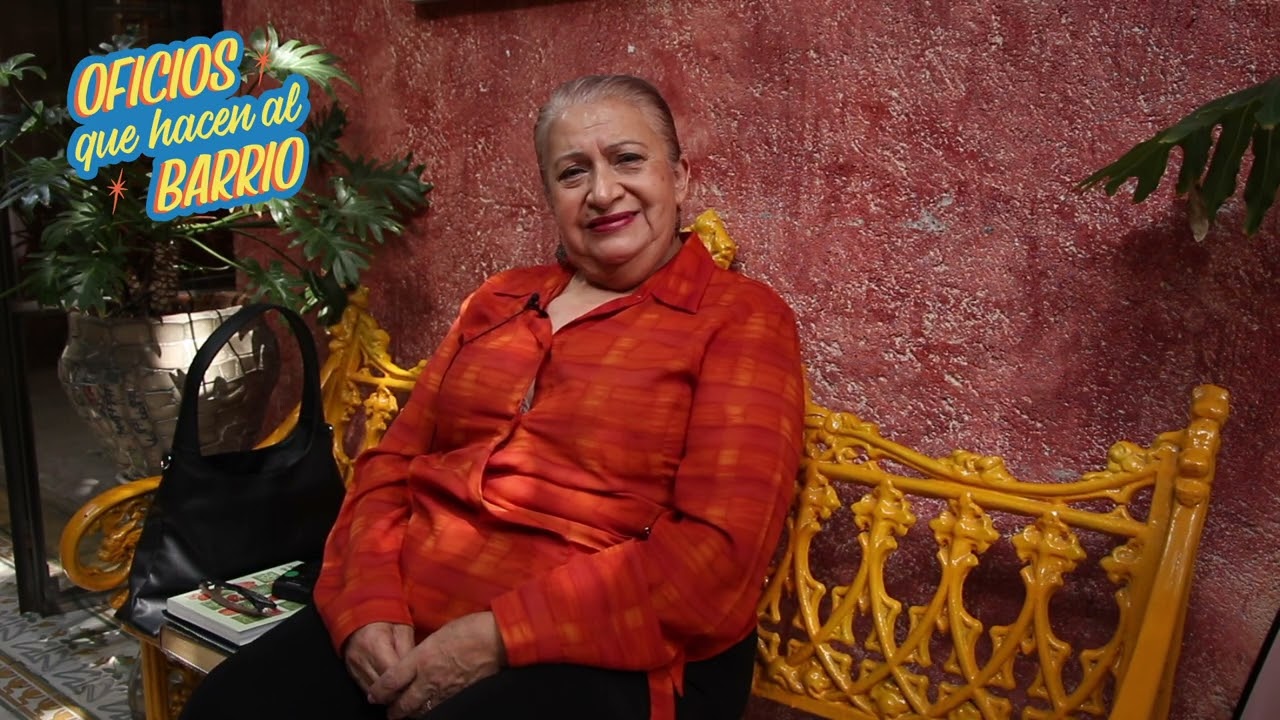
The neighborhood’s memory is also preserved through its local businesses and everyday practices. Miguel Ángel Hernández has spent more than 35 years behind the barber’s chair at Peluquería Fresno, an establishment that traces its roots to the neighborhood’s former public bathhouses. Specializing in traditional straight-razor haircuts, he has witnessed the area’s many transformations. “This is a very rewarding trade. It paid for my daughters’ education and helped my wife finish her studies,” he shares.
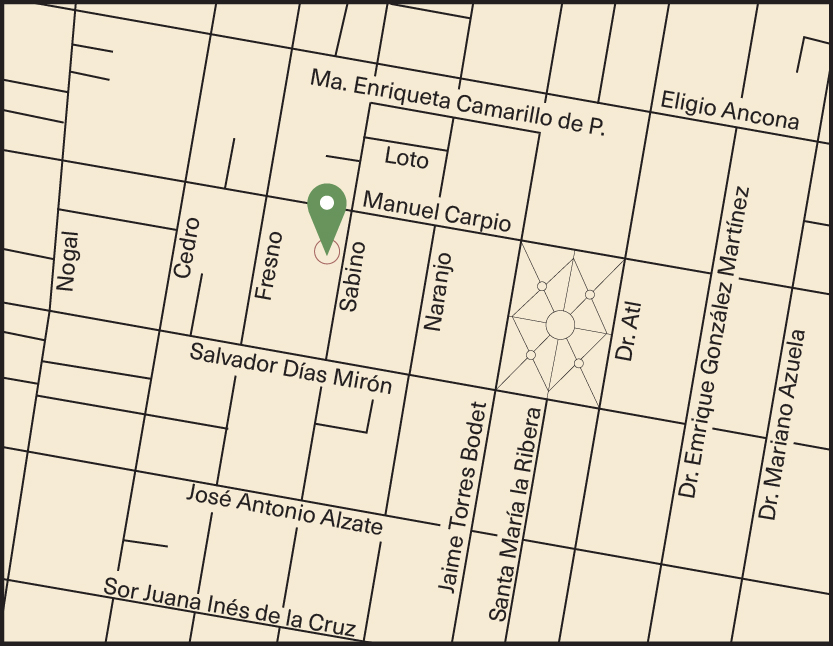
At the corner of Carpio and Sabino streets, Norma found in cooking a way to build her own path. She learned from her grandmother in Veracruz how to make handmade tortillas and later opened her own food stand. Her mastery of the traditional comal has earned her the loyalty of neighborhood residents.
Sharing Knowledge to Build the Future
The continuity of these skills and traditions is far from guaranteed. “Back in the 1980s, there were ten of us working in the workshop; today, only two of us remain operating the machines. Younger generations have lost interest,” laments Armando Orihuela.
In response to this challenge, Casa Gallina has developed an educational program that recognizes traditional trades as an essential part of the neighborhood’s living heritage and creates opportunities for encounters between those who hold this knowledge and those eager to discover it.
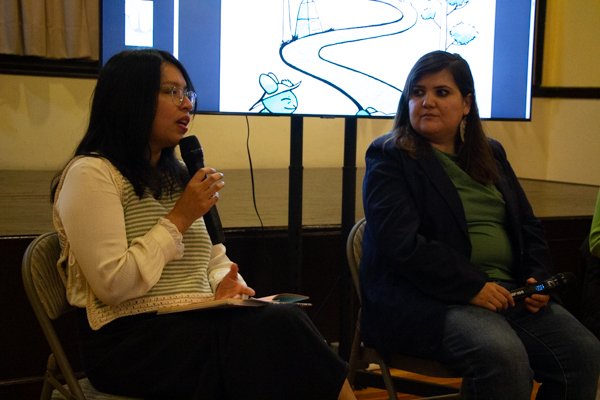
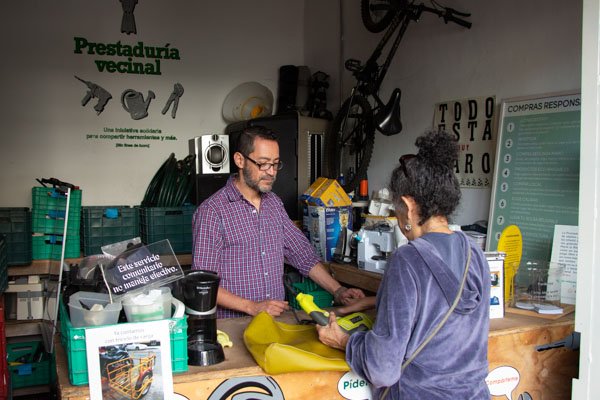
During its first phase, the program reached nearly 300 people through conversations with master craftspeople from different trades, hands-on micro-workshops, film screenings followed by discussions, and the creation of a local directory of recommended businesses and services.
Introducing these skills to children and young people can spark new interests, strengthen community bonds, and help ensure that traditional trades remain an integral part of neighborhood life.
That is why the crowdfunding campaign aims to raise $100,000 MXN to continue this work and make summer courses for children and adolescents possible.
Help us keep these trades alive and share the knowledge and skills that sustain the life and identity of our neighborhood.
Collective support makes Casa Gallina possible. We invite you to contribute to our crowdfunding campaign: “Trades That Build Community.”
Support this cause
Thank you very much!
Your contribution to The Invisible Gears That Keep the World Moving from Santa María la Ribera will help us continue creating social change through community and cultural processes for the common good and the environment.
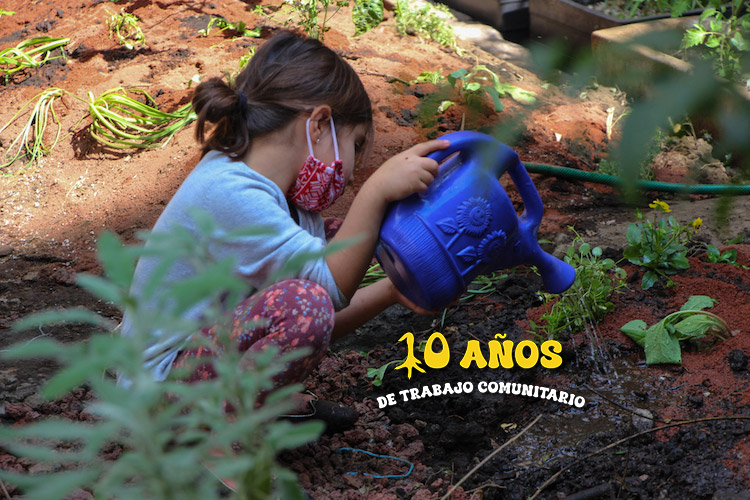
Casa Gallina: 10 years of community work
Collective support makes Casa Gallina possible. We invite you to contribute to our crowdfunding campaign: “Trades That Build Community.”