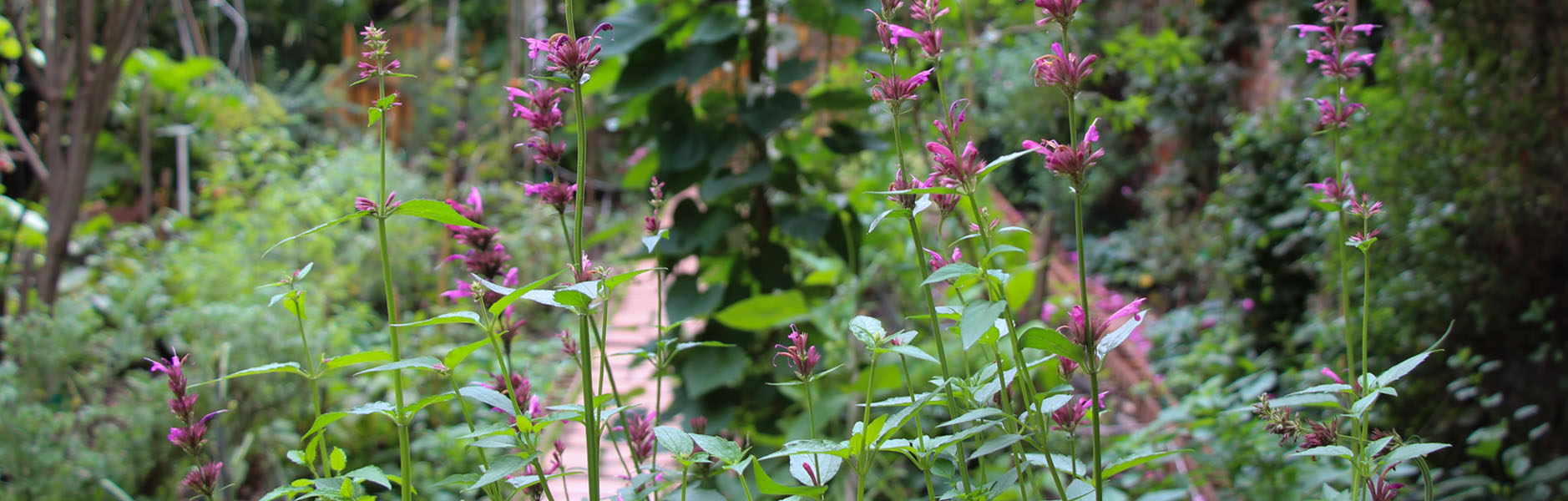
El huerto es un espacio de aprendizaje y práctica agroecológica donde trabajamos colectivamente la tierra, promoviendo el conocimiento sobre ciclos naturales, biodiversidad urbana y soberanía alimentaria. Es un lugar de experimentación, cuidado y trabajo compartido.
A través de siembra, mantenimiento, cosecha y actividades formativas, fomentamos una relación más consciente con los alimentos y con el territorio, fortaleciendo prácticas sostenibles y comunitarias en el contexto urbano.

Microgreens and Sprouts Workshop
Microgreens are the first sprout of a seed, which is full of nutrients and represents a good complement to one's diet. The residents gathered to learn about their preparation, care, and cultivation in a theoretical-practical session, which concluded on April 18 with a direct work session in Casa Gallina's garden and the review of their sprouts.

Flower and flavor workshop: edible flowers
This two-session workshop consisted of learning about some edible floral species, their germination possibilities, and the suitable conditions for their cultivation. In addition, they germinated their own seeds and took home a variety of specimens for later transplanting. To conclude the workshop, hibiscus flower tacos and chocolates filled with jam from the same flower were prepared, decorated with flowers from the garden, such as muicle, jasmine, and nasturtium.

Garden kitchen workshop: Corundas
"Garden Kitchen" is a series of workshops where active residents in Casa Gallina's learning garden share recipes with seasonal harvests. On this occasion, resident Ismelia Hernández shared with us part of the cuisine from her place of origin, Michoacán, preparing a corundas recipe. Corn husks were used to form 62 corundas, which were prepared and tasted by our community. At the table, not only was food shared, but other recipes, remedies, and a diversity of customs surrounding corn were also socialized.

Visit to the garden: Ezequiel Chávez Primary School
Prior to their school day, the group led by Ms. Isela Villarreal Gómez, -from this primary school with an afternoon shift-, visited Casa Gallina's garden, due to environmental topics to be reviewed in class. The objective was to learn about an example of urban agriculture and working with the land, in a non-rural context such as the city and the neighborhood we live in.
Students, their tutors, and the teacher were able to review what was planted according to the season; harvest some vegetables and consult Casa Gallina's seed collection, which safeguards biodiversity and the memory of years of work.
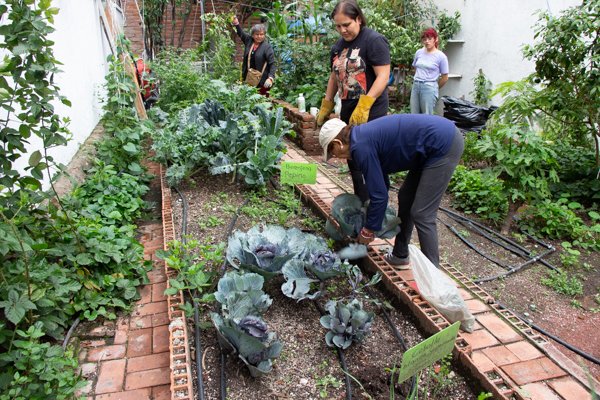
Garden Day
The garden at Casa Gallina is a space for gathering and ongoing care, activated each week through the continuous volunteer work of neighborhood residents. The main objective is to explore urban agroecology through the exchange of knowledge around working with various seeds, their viability and use according to the season, composting, irrigation, association, pest management, soil nutrition, and other maintenance tasks. The activity does not require prior registration, only the commitment to attend every week from 10 am to 1 pm.
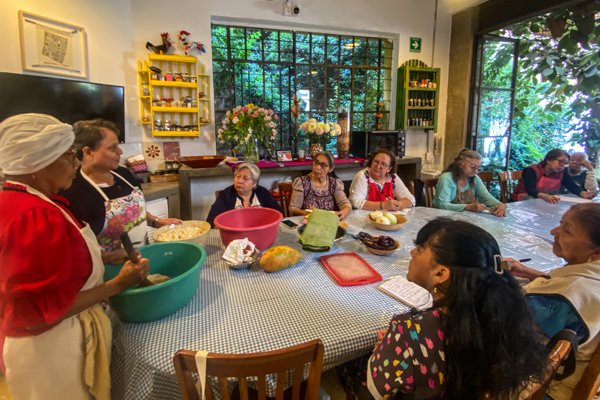
Garden Kitchen Workshop: tamales, corundas and papaya dessert
In order to take advantage of the seasonal harvest, the neighbor and member of the orchard, Rosa Palma, shared her recipe for yellow mole tamales. At the same time, the participants harvested fruits and herbs from the garden and used them to prepare fresh chaya water with lemon and a papaya mousse dessert.
During the event, the community had the opportunity to exchange recipes, socialize and enjoy the tamales made in the garden, taking home a sample of them.
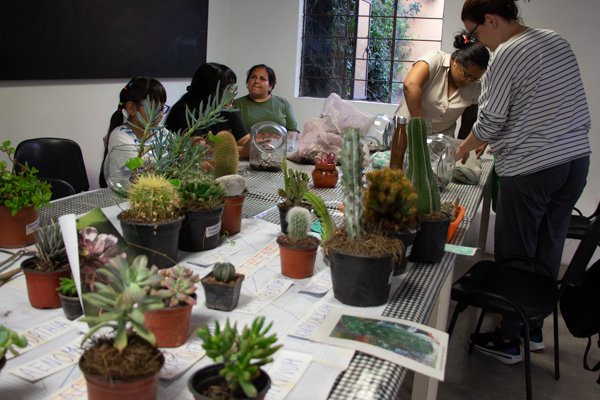
Xerophilic Gardens Workshop
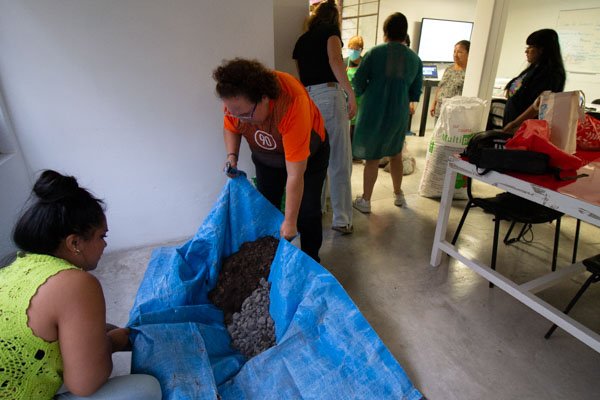
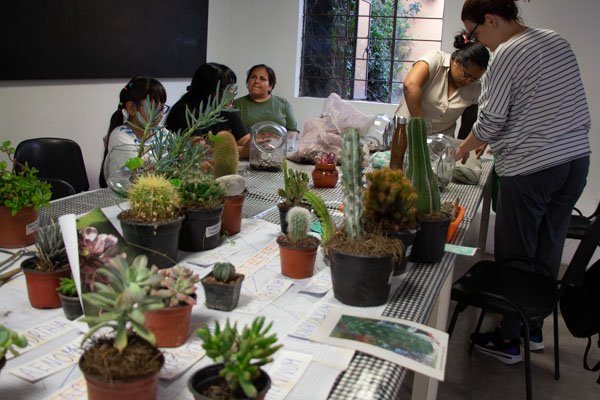
Xerophilic gardens recreate ecosystems characteristic of arid and rugged territories, capable of adapting to different climates as long as they have the right conditions and care. Considering fall weather conditions, Casa Gallina designed a hands-on workshop for participants to craft their own portable ecosystem.
During the sessions, we addressed the importance of cacti in our environment and as a result, each participant created a compact ecosystem that reflects the principles and characteristics of these gardens.
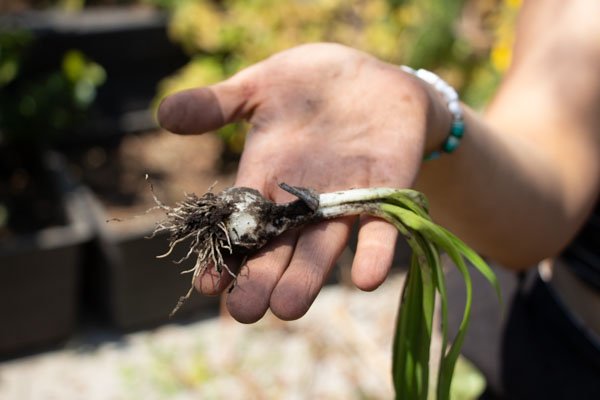
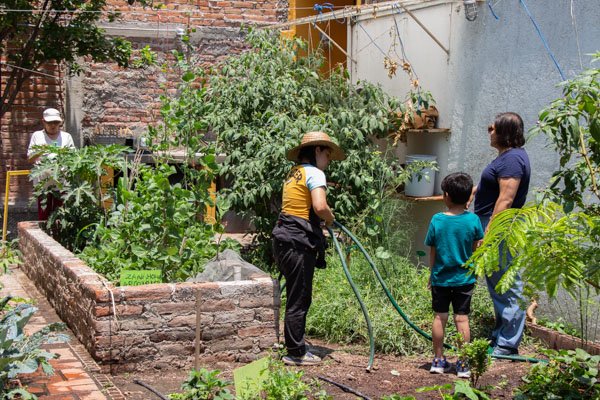
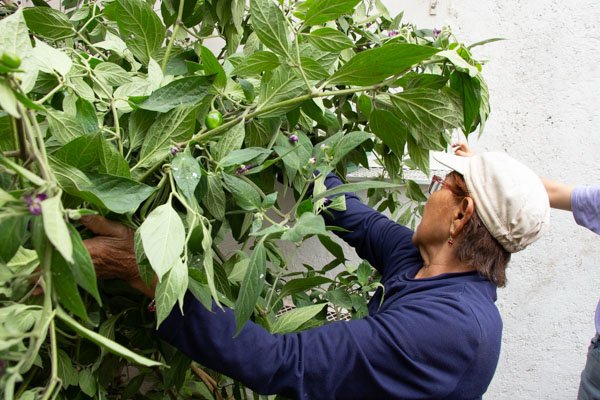
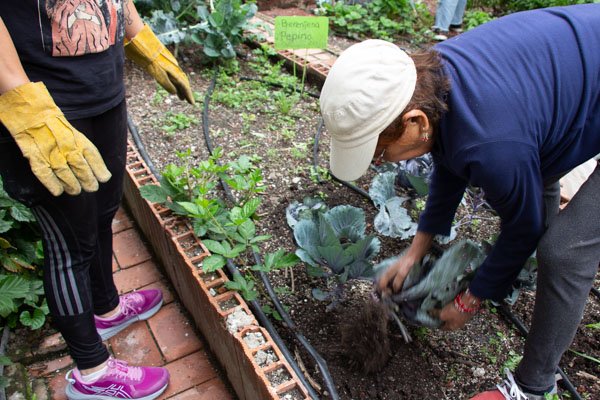
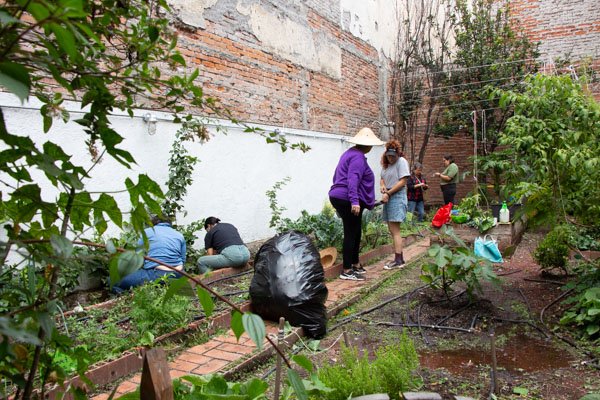
Garden Day
Casa Gallina's garden is a space for permanent encounter and care, activated on Saturdays thanks to the voluntary and constant work carried out by neighbors from the community. The main objective is to explore urban agroecology through the exchange of knowledge regarding working with various seeds, their viability and use according to the season; composting, irrigation, association, pest management, soil nutrition, and other maintenance tasks. The activity does not require prior registration, only the commitment to attend from 10 AM to 1 PM.
Green Afternoons: Get to Know Casa Gallina’s Orchard
The initiative Green Afternoons aimed to introduce the orchard in the house to new neighbors interested in urban agriculture. By opening the orchard’s door as a space for learning and experimenting, the participants could observe and hear the voice of other neighbors’ experiences in this space. The session ended with picking pumpkins and preparing a joint supper.
Feel the Garden: Visits to Gardens in Mexico City
This program consisted of 3 sessions with inhabitants from the neighborhood and was conceived to see some examples of botanical gardens and their relations within Mexico City.
We visited the UNAM’s botanical garden and the garden of the Vasconcelos Library as well as Casa Gallina’s garden, where we discussed the effects and relations city dwellers have with these spaces.
Hands to Earth: Urban Agriculture for Young Children
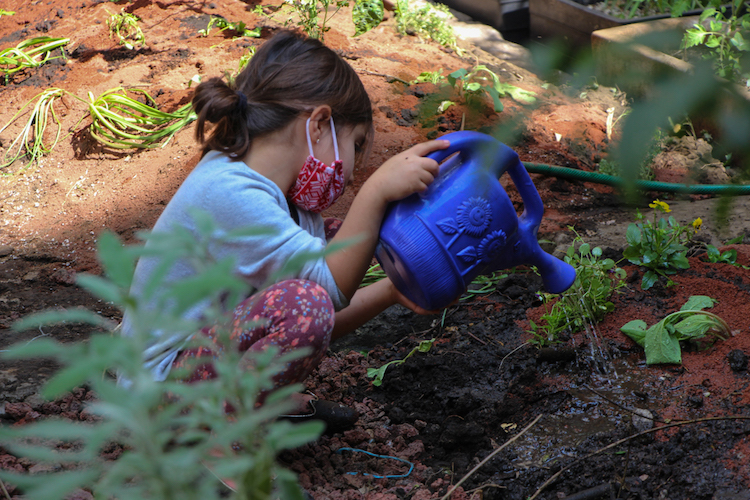
Hands to Earth was a cycle of workshops where very young girls and boys learned the basic elements of urban agriculture and orchards through their senses. With sessions focused on germination, a sensorama, dispersion of balls of seeds and self-watering plant pots, the children and their tutors learned about agricultural processes and how to replicate them at home.
Visit To Tlatelolco Orchard
The artist Emily CD created a mural inspired by plants that hold significance for the users and inhabitants of the Tlatelolco and Casa Gallina gardens: cress, hoja santa, white strawberry, xonacate, sunflowers. Both communities spoke about their experiences in urban agriculture and their links with the plants depicted in the mural.
Biodiversity in the Neighborhood: neighbor activation
As part of the Biodiversity in the Neighborhood project that took place in November 2021, informational screens were constructed in the main square of Santa María la Ribera, displaying contents developed by neighbors and illustrated by Isis Oses on the subject of collective and individual actions to preserve biodiversity in the neighborhood. A subsequent tour was held where the content creators and biologist Gabriela Almeida explained the images they had made and explored the square jointly with other neighbors to identify local flora and fauna.
Workshop: Dictionary of Biodiverse Trades
In this workshop led by illustrator and neighbor Isis Oses and by linguist and neighbor Oscar Moreno, girls and boys traced through words and illustrations the meaning and significance of animals, fruits and plants existing in their neighborhood and the Plateau of Mexico. Afterwards they used this biodiversity and its definitions playfully, to embody them in different trades practiced in the same community. The results will form part of a dictionary to share and use in further educational activities.
Sparrows, Hummingbirds, Doves and Other Neighbors with Wings and Feathers
Birdwatching carried out in the Santa María la Ribera grove, which served to observe other, less common species of birds such as the rock wren, Harris falcon, American robins, larks, the curve-billed thrasher and the Berylline hummingbird, in addition to grazers, sparrows, pigeons and turtle doves. The visit was complemented by a conversation between neighbors, which revolved around identifying the characteristics of the city that force endemic varieties of the region to be displaced and remain out on on the edge of the city. In the case of the birds that cross it, their adaptability to our habits and ways of life was analyzed, the discussion also included how we can benefit birds’ adaptability within our daily habits and practices, while allowing them to develop alongside us.