Programas dirigidos a niñas, niños y jóvenes donde el juego, la curiosidad y la experimentación son el punto de partida para el aprendizaje. Nos interesa acompañar procesos que fortalezcan la imaginación, la autonomía y la construcción de vínculos respetuosos con otras personas y con el entorno.
Las actividades combinan exploración territorial, prácticas artísticas, trabajo con la naturaleza y dinámicas colaborativas, propiciando experiencias que contribuyan al desarrollo integral y al sentido de pertenencia en su comunidad.
Infancias-adolescencias

Sensory World: ball workshop for exploration
As part of the cycle of activities of the Children's Lending Library aimed at early childhood, this workshop was held with the objective of providing simple and practical tools to stimulate the senses of children in the neighborhood. Using accessible materials such as balloons and seeds, four balls with different textures were made, ranging from the finest to the coarsest grain. These balls were subsequently used to generate tactile stimuli that promote the sensory development of the little ones.

Board game afternoon
As part of the activities programmed by the Children's Lending Service, the children of the neighborhood gathered for an afternoon of camaraderie with the board games available in our catalog. The attendees engaged in team strategy games; afterwards they let their creativity soar with a block game and finished by collectively assembling a puzzle.

Little Fridays: Screening Puss in Boots: The Last Wish
This edition of Little Fridays made our morning fun with the screening of "Puss in Boots: The Last Wish", where children from the neighborhood accompanied Puss in Boots on his adventure to reclaim his lives, through this film full of emotion and laughter. Together we enjoyed a story that allowed us to present to the attendees the wide catalog of toys available within the Children's Toy Library, a neighborhood service provided for children.

Kids' Fridays: Guided tour Here is a house
In this edition of Kids' Fridays, the children visited the exhibition "Here is a house", where they explored the similarities and differences of living in the Santa María neighborhood and in Milpa Alta. Within the facilities of the Museum of Geology, the participants took a tour of the exhibition and carried out the didactic interventions that make up the experience. At the end, both the children and their companions left a postcard to communicate with a friend from Milpa Alta. Additionally, they intervened the book with drawings, stamps, and photographs, leaving their interest in visiting the place that inspired the exhibition imprinted.

Growing together: visual tracking workshop
This activity was scheduled for mothers, fathers, and caregivers of early childhoods who are looking for early stimulation elements through toys from the Children's Lending Service. On this occasion, some toys and books from the collection were used to demonstrate some exercises replicable at home that allow visual stimulation in babies, as well as approaching children through secure attachment.

Little Fridays: Small hands healthy plates workshop
With the aim of promoting good eating habits in our children, a talk was given about the healthy eating plate. Subsequently, a tasting of a series of ingredients selected by the children that can be integrated into a healthy diet was offered. They finished by making rice balls, incorporating the previously reviewed ingredients. These were shared among them and also taken home.

Children's Council of Santa María la Ribera. Continuous Program
In early 2026, the third generation of the Children's Council inaugurated the presentation of the work developed by the three generations of children in an exhibition that took place on the display panels located within the Alameda of the Moorish Kiosk. On the display panels, they graphically illustrate the achievements obtained thanks to their proposals and actions; and extend the invitation for more children from the neighborhood to be inspired and join this project.
Between February and April, the current council members conceived “The Remedy Cart”: a cart because they rolled it through the neighborhood to detect the 'pains' and 'ailments' of public spaces. To communicate this work, they are devising the production of a short film where they will share their findings.
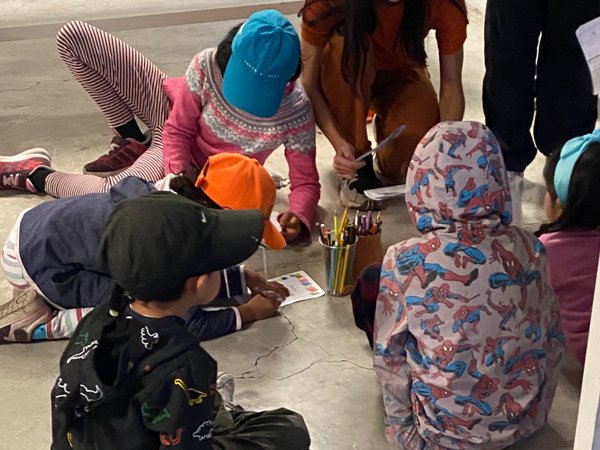
Workshop: A book that is also home
In order to promote reading, affirm a sense of home identity, and foster dialogue about the diversity of homes, participating children engaged in artistic activities, active listening, and the sharing of opinions to collaboratively create a reading intervention using an accordion-style piece that simulates the facilities of Casa Gallina.
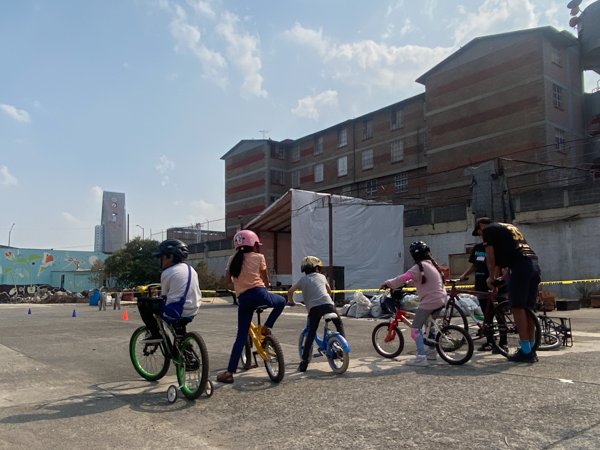
Little Fridays - Workshop: Neighborhood on Wheels
The children who frequently visit Casa Gallina suggested a sports workshop on ideas about safe bicycle mobility. The activities focused on teaching basic notions for responsible mobility through the city streets, as well as offering guidance and support to children who wished to learn how to ride a bicycle from a beginner level. The participants carried out a rally through the orchard facilities, in which they applied the measures they learned.
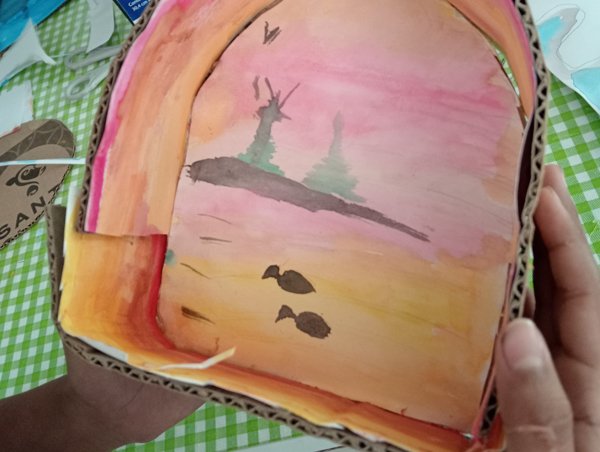
Little Fridays - Creative Adventures Workshop
During this session, the participants created a portable ofrenda inspired by the figure of xoloitzcuintle as a symbolic mediator between different planes of existence.
The activity started from the narration of a legend, which served as an imaginative catalyst and conceptual framework for the exercise. From this, the children built a cardboard altar intervened in vivid tones and self-made crepe paper elements. Subsequently, they modeled a figure with aluminum and tape masking, integrated as the centerpiece of the offering.
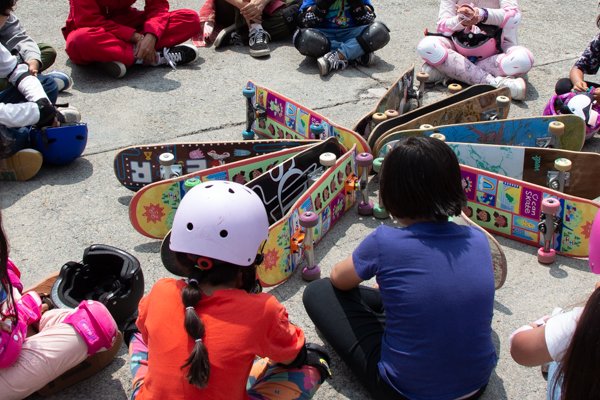
Little Fridays - Skate workshop
“Little Fridays” is an initiative that emerged from children’s need to make the most of the last Friday of each month—set aside for teachers’ pedagogical council meetings—by engaging in artistic, sports, culinary, and community-oriented activities.
In this edition, the skate workshop for children was held, whose objective was to introduce the participants to the basic notions of this discipline. They progressively developed activities. It began with basic exercises, such as getting on the skateboard and maintaining balance, and later progressed to more complex practices, including performing turns on a ramp. As a result, we could observe how those who participated developed basic proficiency in using the skateboard use and showed greater interest in practicing skate.
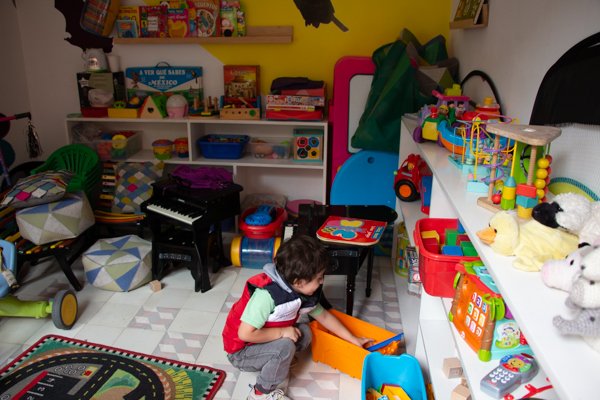
Children's Lending Program
The Children's Lending Program is a collection of childcare and development items such as strollers, bicycles, early stimulation games, musical instruments, among others, available for free loan to neighborhood residents. It has become a space for free play and exchange among children, as well as their adult guardians. The collection has been built mostly by donated items and reopens every 15 days.
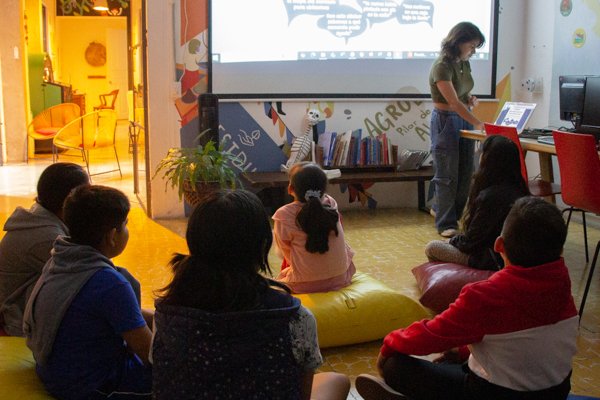
Santa María la Ribera Children's Council (Ongoing Program)
The Santa María la Ribera Children's Council is an ongoing program of work sessions with children between the ages of 5 and 13 to create a space for child participation. The group has focused on conducting neighborhood assessments, creating a network of local businesses committed to child protection, creating reports on safety in the neighborhood, as well as strengthening their voice as agents of change and decision-making in the place they inhabit. The long-term objective of this project is to achieve safe mobility, autonomy, and self-care among children.
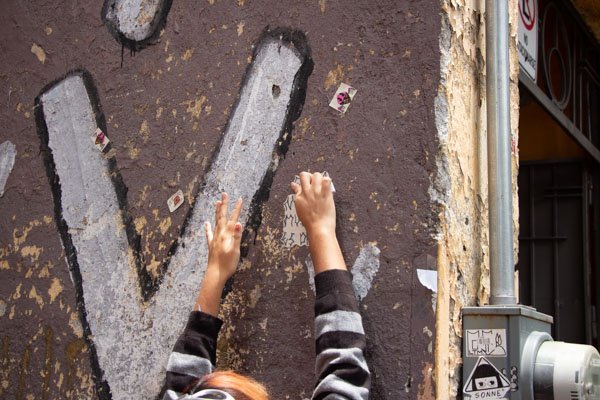
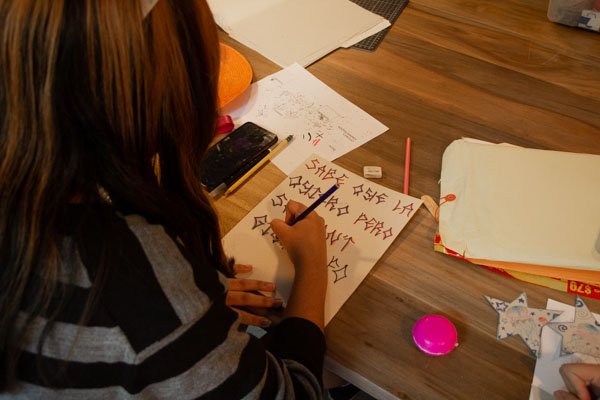
Summer course for teenagers: Ecopunk Summer
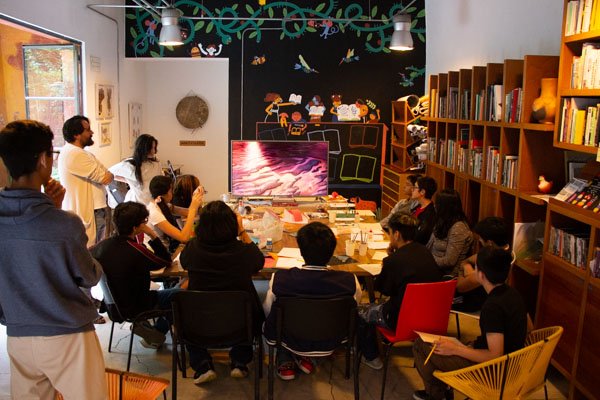
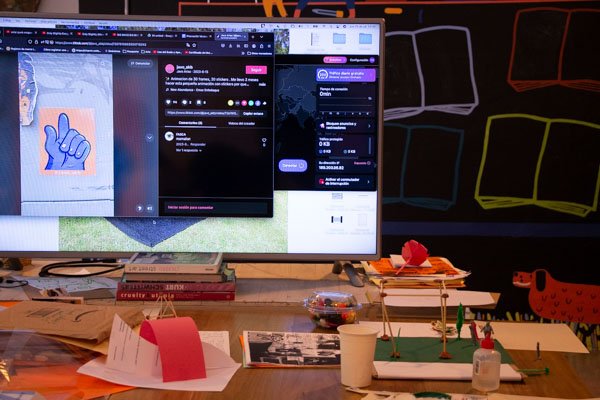
The summer course Ecopunk Summer, aimed at teenagers between 13 and 17 years old, was held. Through walks within the neighborhood, it was proposed that attendees would find ways to rediscover their environment by imagining new ways of inhabiting the city integrated into the ecosystem. During that week, urban exploration exercises were carried out, as well as the use of editing tools for social media and the use of artificial intelligence to design urban architecture for a possible more sustainable future.
City Kids Summer Course: exploring Milpa Alta
Participants: 45 girls and boys, residents of Santa María la Ribera
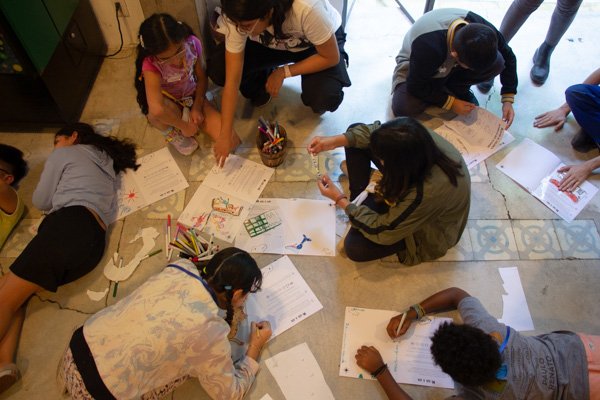
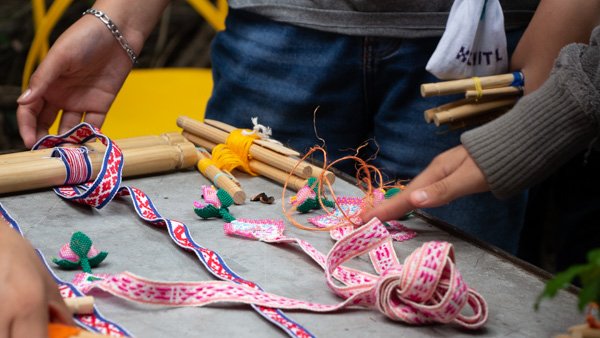
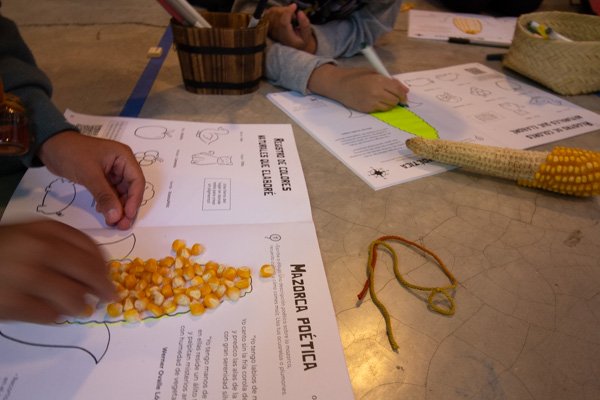
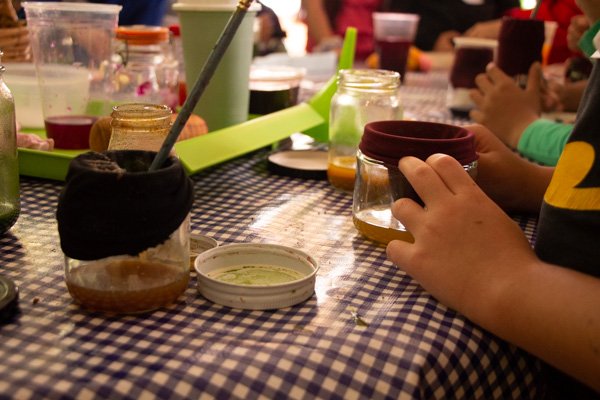
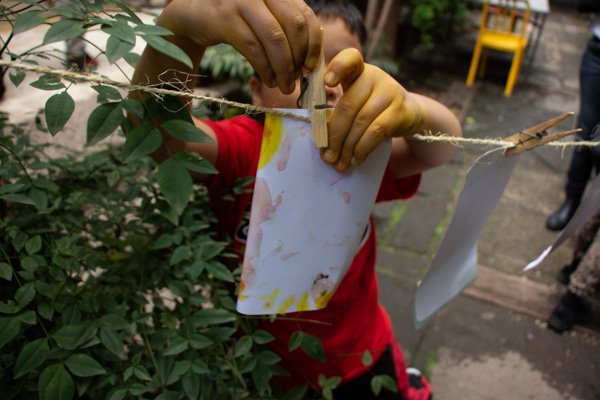
The summer course City Kids: exploring Milpa Alta was held, where girls and boys participated in artistic, cultural, planting, and food-related activities, all linked to the territory of Milpa Alta. Under the guidance of mediator Martha Garay, the participants explored this region through playful dynamics. During the course, they were accompanied by a craftswoman, an illustrator, and a writer from Milpa Alta, who shared their knowledge about traditions such as the Chinelos dance, the use of the loom, and the creation of pigments, among others. Additionally, the participants visited the exhibition Rains and Dry Spells. The Ancestral Vision of Time in Milpa Alta, where plastic artist Melissa Paredes led an artistic activity with the participating children.
Workshop: Skate for girls, boys and young people
The program “El Huertito” aims to recover and adapt green spaces within the facilities of preschools and kindergartens in the neighborhood. For the implementation of this project, during the month of April, we worked with the Elena Zapata kindergarten. The goal was to create living classrooms and learning gardens for the school community. For the first sessions of this program, the discovery of and approach to seeds was encouraged through games and stories, to then move on in a second stage to direct work with them involving germination, planting, and continuous care of the garden.
Summer Course for Adolescents: Ecopunk Summer
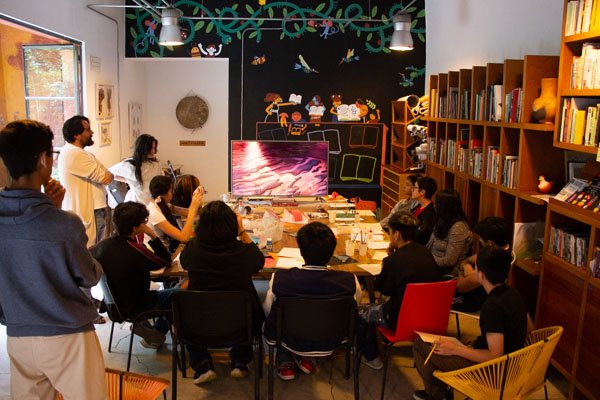
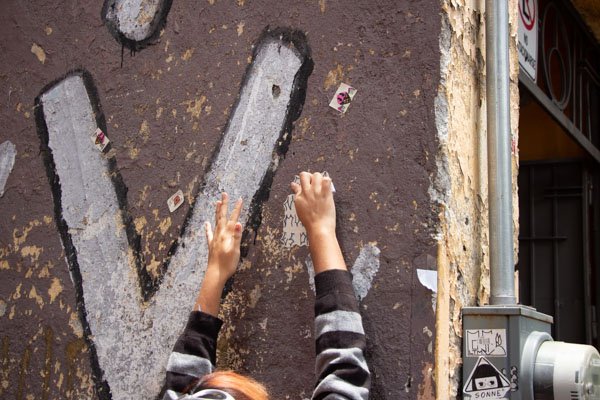
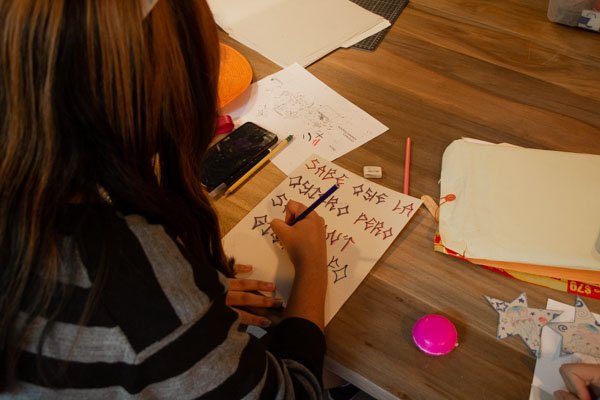
The summer course Ecopunk Summer was aimed at adolescents aged between 13 and 17. Through a variety of walks in the neighborhood, the participants were asked to find ways to rediscover their surroundings, imagining new ways of inhabiting the city, that are integrated to the ecosystem. Over the course of that week, they held urban exploration exercises and learned how to employ editing tools for social media and to use of AI to design urban architecture for a possible, more sustainable, future.
Summer Course City Kids – Exploring Milpa Alta
The summer course City Kids – Exploring Milpa Alta was held, wherein girls and boys participated in artistic, cultural, planting and nutritional activities, all linked to the territory of Milpa Alta. Under the guidance of mediator Martha Garay, the participants explored this region through entertaining dynamics. During the course, they were accompanied by an artisan, an illustrator and a writer from Milpa Alta, who shared their knowledge on traditions such as the Chinelos dance, how to use a loom and create pigments, among others. Furthermore, the participants visited the exhibition Rainy and Dry. The Ancestral Vision of Time in Milpa Alta where they artist Melissa Paredes led an artistic activity with the children.
Words to Recognize the World - Zapotec Language and Songs
Workshop for children that shared stories, legends, songs and words, led by professor Jesús Hernández, who developed a methodology to learn didxazá (Zapotec) in Ixtepec, state of Oaxaca. The workshop focused on understanding the link that exists between language and cosmovision, using music as a learning tool that connects feelings and understanding.
Fandango and Nature
In a single session, toddlers had the chance to approach, through play, the musical expressions that surround our local nature, accompanied by traditional music and dancing from Veracruz.
Hands to Earth: Urban Agriculture for Young Children
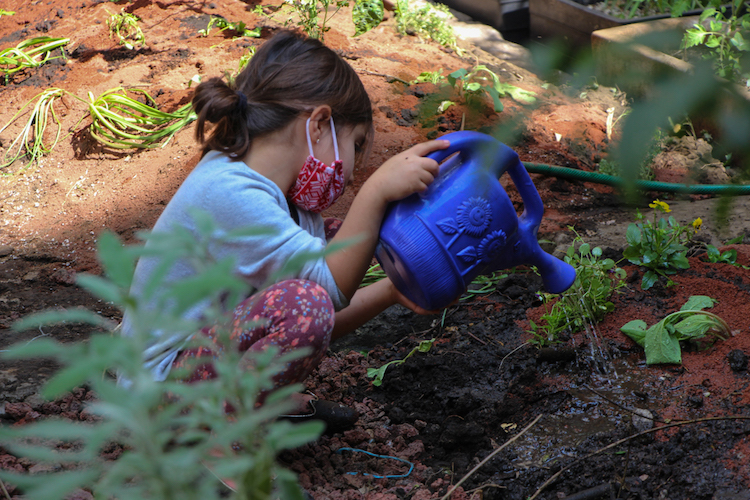
Hands to Earth was a cycle of workshops where very young girls and boys learned the basic elements of urban agriculture and orchards through their senses. With sessions focused on germination, a sensorama, dispersion of balls of seeds and self-watering plant pots, the children and their tutors learned about agricultural processes and how to replicate them at home.
My Imaginary Garden: Art and Nature by Children
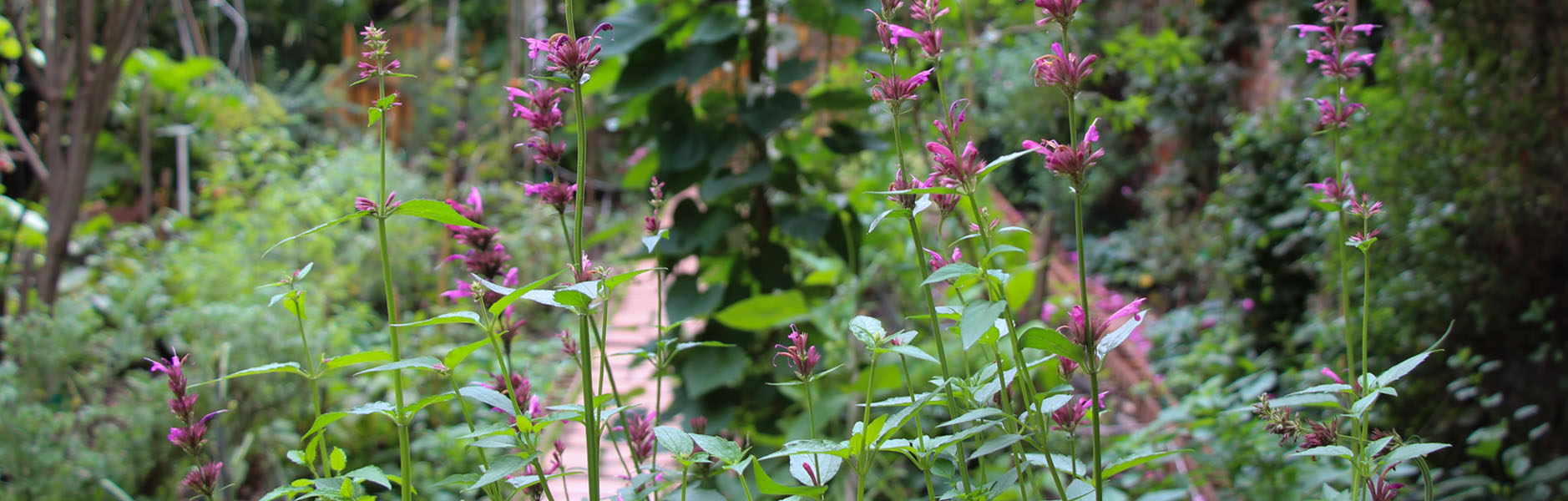
Over the two sessions of My Imaginary Garden, girls, boys and adults were able to recognize various gardens located in the neighborhood. Through walks in the gardens and Casa Gallina’s orchard, they recognized the diversity of plants and flowers, along with the characteristics of the species living there. Each participant was able to create an imaginary garden using different artistic techniques by means of observing neighboring gardens.
Visit To Tlatelolco Orchard
The artist Emily CD created a mural inspired by plants that hold significance for the users and inhabitants of the Tlatelolco and Casa Gallina gardens: cress, hoja santa, white strawberry, xonacate, sunflowers. Both communities spoke about their experiences in urban agriculture and their links with the plants depicted in the mural.
Matinée for Children: La Santamasimbiosis
La Santamasimbiosis is an animated short created by girls and boys in the framework of the workshop “Holobiont Neighborhood”, held in Casa Gallina during 2021. Based on its narrative, the families who attended the screening participated in a game of collective character creation that addressed the notion of interspecies symbiosis.
Presentation of the short film La Santamasimbiosis
One of the most emblematic theaters in Santa María la Ribera hosted the première of the short film La Santamasimbiosis, created by girls and boys from Santa María la Ribera during the Holobiont Neighborhood workshop led by Gabriela Martínez, Diego Suárez and Andrea Fernández. The show included screenings of the shorts Nanita Pahtli (Traditional Medicine), El zapateado mágico (Magical Dancing) and El camino de la serpiente (The Route of the Serpent), produced by Cine bajo el cielo A.C. and made by children in the communities of Tlaquilpa, Playa Vicente and La Cuesta in the state of Veracruz. As well as El mensaje del bosque (The Message From the Forest), made by Taller sentir naturaleza, in the communities of La Cumbre, Crecencio Morales and Zitácuaro in the state of Michoacán. The girl and boy who participated put up an exhibition in the theater's gallery, to complement it with the elements of their short films. After the screening they answered questions and comments from the public in attendance.
Origins: From the Cosmos to the Earth Workshop
From the cosmos to the Earth, children discussed the main scientific theories regarding the origin of life on Earth, collected minerals from the Casa Gallina garden to analyze them in a microscope searching for traces of stardust, and made collages to create their own living beings, assigning them biological characteristics as well: the type of food they eat, mobility and symbiotic relationships with other organisms.